Condenser Microphones
Detailed, sensitive, and studio-ready — condenser mics for vocalists, podcasters, and content creators who want every nuance captured.
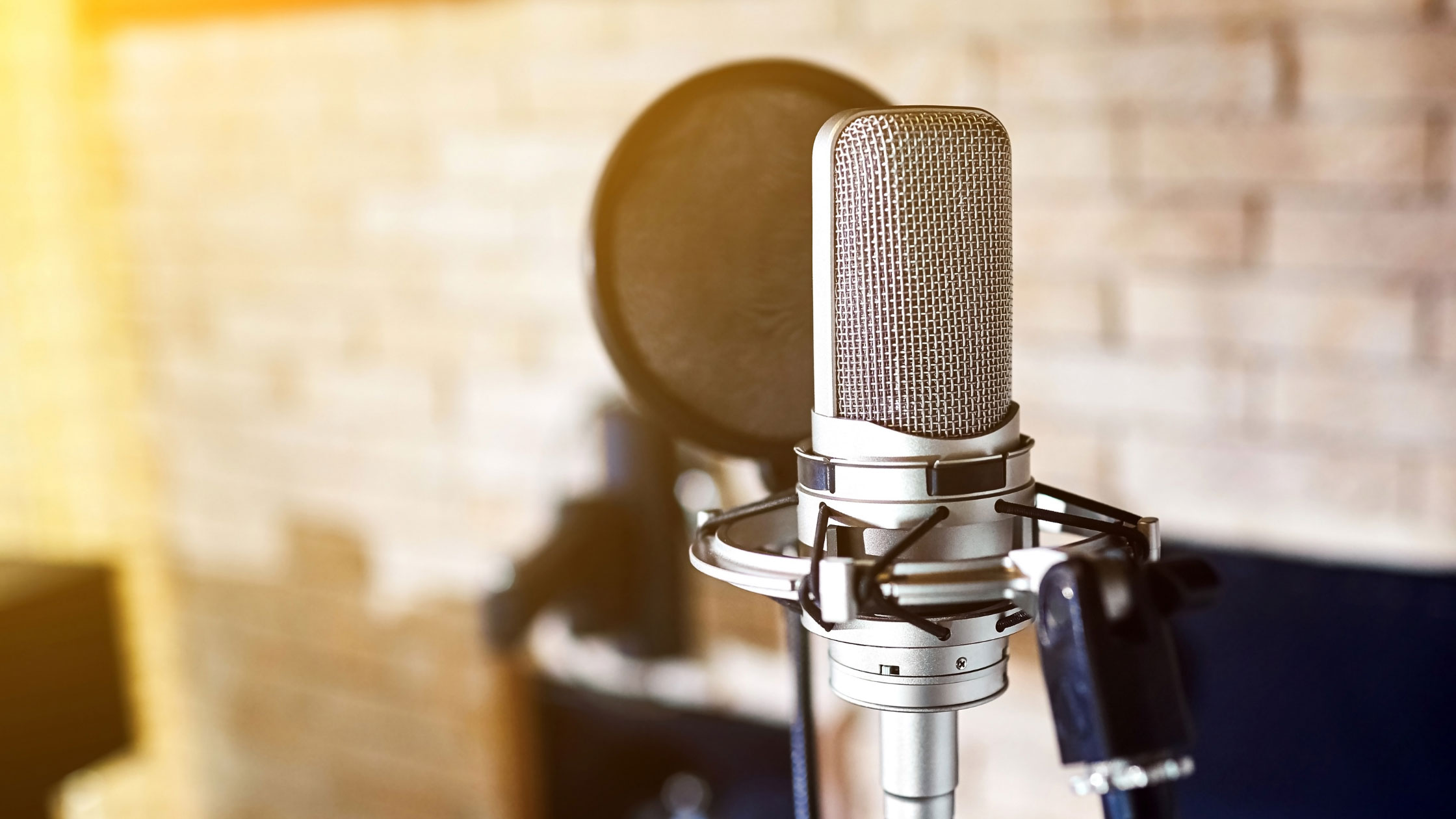
Condenser microphones have long been the go-to choice for vocalists and studio professionals seeking detail-rich audio capture. Unlike dynamic models, condensers rely on a thin diaphragm suspended near a backplate, making them exceptionally sensitive to subtle transients and high-frequency detail. This sensitivity makes them ideal for studio vocals, acoustic instruments, voice-over work, and any application where clarity and nuance matter. However, they also pick up room reflections more readily — so some acoustic treatment goes a long way in a home studio.
Featured Review
Best Condenser Microphones – Top 10 Ultimate Reviews
If you're a vocalist or singer, you likely know that the right condenser is the secret to booming audio. This in-depth roundup covers ten standout condenser microphones — from the portable Samson Go Mic to the studio-grade AKG Pro Audio C214 and Rode NT2A. Models from Audio-Technica, Sennheiser, Shure, Slate Digital, Aston Mics, and SE Electronics are also reviewed, with practical guidance for singers, producers, YouTubers, podcasters, and voice-over artists.
Read the full review →For content creators just starting out, the transition from a built-in camera or laptop microphone to a proper condenser microphone is often the single most noticeable upgrade in their audio journey. Whether you are recording YouTube videos, streaming on Twitch, or producing a podcast, the clarity and presence that a quality condenser brings to your voice can transform an amateur production into something that sounds professional. Beginners frequently worry about background noise and room acoustics, but with modest treatment and proper mic placement, even a modest condenser can deliver results that rival far more expensive setups.
Choosing the right condenser microphone involves understanding the difference between large-diaphragm and small-diaphragm designs, as well as pattern options like cardioid or omnidirectional pickup. For vocalists and podcasters, a large-diaphragm cardioid condenser is typically the safest and most versatile choice, capturing rich, warm detail while rejecting off-axis sound. USB condensers have gained tremendous popularity among streamers and YouTubers because they plug directly into a computer with no additional interface required, while XLR models offer greater flexibility for those who plan to expand their studio over time with external preamps and processing gear.
Once you have selected a condenser microphone, the next step is integrating it into a practical recording workflow. A pop filter or windscreen is essential for taming plosive sounds, and a shock mount helps isolate the capsule from vibrations traveling through your desk or boom arm. Positioning the mic slightly off-axis and a few inches from your mouth can reduce sibilance and proximity effect. With the right stand, cable management, and a quiet room, your condenser microphone will faithfully capture every nuance of your voice, giving your videos and podcasts the polished, studio-quality sound that audiences expect from today's top content.
What to Know About Condenser Mics
Sensitivity & Detail
Condenser microphones capture far more high-frequency detail than dynamics, making them the preferred choice for studio vocals, acoustic guitars, and delicate sound sources where every breath and overtone counts.
Room Acoustics Matter
Because condensers are so sensitive, they readily pick up room reflections and background noise. A well-treated space — even basic foam panels and a reflection filter — can dramatically improve results in a home studio.
Phantom Power Required
Most condenser microphones need +48V phantom power from an audio interface or mixer. Budget-friendly USB condensers bypass this requirement, but XLR models deliver greater flexibility and upgrade potential.
Large vs. Small Diaphragm
Large-diaphragm condensers (LDCs) are prized for warm, full-bodied vocal recordings. Small-diaphragm condensers (SDCs) excel on instruments, offering a more neutral, accurate response — both have their place in a well-rounded mic locker.
Explore More Categories
- All Microphones — reviews and guides across every mic type
- Camera Microphones — on-camera and shotgun mic roundups for DSLR and mirrorless shooters
- Boom Microphones — boom mic reviews for filmmaking, interviews, and events
- Blog — tips, comparisons, and "what mic does X use" articles