Microphone Reviews & Buying Guides for Content Creators
Practical, hands-on microphone recommendations for podcasters, streamers, YouTubers, vloggers, and filmmakers — from camera mics to studio condensers.
Explore Reviews
Camera Microphones
Better Audio for Your Video
For narrative filmmakers, capturing clean dialogue starts with proper boom technique. Discover how to mount and use a shotgun mic on a boom pole for professional, interference-free audio. How to Use a Shotgun Mic on a Boom Pole for Narrative Film On-camera and shotgun microphone reviews for DSLR and mirrorless shooters. Our guides compare the Rode VideoMic series, Saramonic, Sennheiser, and more to help you capture clean directional sound.
Choosing the right microphone can transform your content from amateur to professional in a single upgrade. Whether you are a podcaster recording conversations, a streamer engaging with a live audience, or a YouTuber producing reviews and tutorials, the microphone you use shapes how your audience perceives your voice and your brand. Many creators start with their camera's built-in audio or a basic headset, only to discover that viewers will tolerate less-than-perfect visuals far more readily than they will tolerate poor sound. Investing in a dedicated microphone is one of the most impactful decisions you can make for your channel or show.
Camera microphones have gained significant popularity among DSLR and mirrorless shooters who want clean, directional audio without hauling around bulky recording equipment. Shotgun microphones mounted on a camera hot shoe capture sound from the direction they are pointed, which means you can record interviews, vlogs, and run-and-gun footage while keeping unwanted background noise to a minimum. Brands like Rode, Saramonic, and Sennheiser have built strong reputations in this space, offering options that range from compact on-camera units to more advanced models designed for professional film sets. Understanding pickup patterns and frequency response helps you match the right mic to your shooting style.
Podcasters and voice artists often gravitate toward dynamic microphones because of their ability to reject ambient sound and focus on the speaker directly in front of them. The Shure SM7B has become something of an industry standard in this category, favored by well-known podcast hosts and media personalities for its warm, broadcast-ready tone. Dynamic mics handle loud voices without distortion and require less acoustic treatment in your recording space, making them an excellent choice for home studios that are not professionally treated. If you are just getting started with podcasting, a quality dynamic microphone paired with a simple audio interface can give you results that rival much more expensive setups.
Condenser microphones offer a different set of strengths, capturing more detail and nuance in your voice with a wider frequency response and greater sensitivity. These mics are ideal for controlled studio environments where background noise is minimal, making them a favorite for voice-over work, singing, and acoustic instrument recording. Large-diaphragm condensers deliver a rich, full-bodied sound that flatters most voices, while small-diaphragm condensers excel at capturing detail in instruments and overhead applications. Because condenser mics are more sensitive, they do require phantom power from an audio interface or mixer, and they will pick up room sounds, so some basic acoustic treatment is recommended for the best results.
USB microphones have lowered the barrier to entry for countless content creators by eliminating the need for separate audio interfaces and XLR cables. A quality USB condenser can plug directly into your computer and deliver surprisingly professional results right out of the box. Modern USB mics often include built-in headphone monitoring, gain controls, and mute buttons, giving you a compact all-in-one solution for podcasting, streaming, and video calls. While dedicated XLR setups offer more flexibility for future upgrades and multi-mic recordings, a well-chosen USB microphone remains the fastest and most affordable path to significantly better audio for beginners and intermediate creators alike.
Setting up your microphone properly matters just as much as which microphone you choose. A boom arm or adjustable mic stand keeps your microphone positioned consistently at the right distance and angle, which means your audio levels stay stable throughout your recording session. Pop filters reduce plosive sounds that can cause distracting thumps and rumbles in your recordings, while shock mounts isolate the microphone from vibrations and handling noise. Even a modest investment in these accessories can dramatically improve the clarity and polish of your final audio, often making the difference between a recording that sounds homegrown and one that sounds professionally produced.
Streamers and online content creators face unique audio challenges because they are often recording in living spaces with computers, fans, and other ambient noise sources. Choosing a microphone with a cardioid pickup pattern helps focus on your voice while rejecting sounds coming from behind and to the sides. Many popular streamers and Twitch personalities have shared their setups online, inspiring newcomers to invest in better audio as part of building a professional-looking channel. Whether you are just starting out or looking to upgrade, understanding how your environment interacts with your microphone choice will help you make a more informed purchase and get better results from the equipment you already have.
The microphone market today offers options at nearly every price point, from budget-friendly entry-level models to professional-grade studio equipment. What separates a good purchase from a regrettable one is rarely the price tag alone; it is how well the microphone fits your specific use case, your recording environment, and your long-term goals. A vlogger filming outdoors needs different characteristics than a podcaster recording in a closet or a musician tracking vocals in a treated room. Reading detailed reviews and buying guides can help you navigate the dozens of brands and models available, allowing you to identify the features that actually matter for your workflow and avoid paying for capabilities you will never use.
At Microphone Globe, we believe that great audio should be accessible to every creator, regardless of experience level or budget. Our reviews and guides are built around real-world testing and straightforward comparisons that cut through marketing jargon and focus on practical performance. We explore everything from on-camera shotgun mics for filmmakers to studio condensers for voice artists, and we regularly update our content as new products enter the market. Whether you are upgrading your streaming setup, building your first podcast studio, or simply curious about what microphone might suit your voice, our goal is to give you the information you need to make a confident choice and start recording with better sound today.
Why Creators Trust Microphone Globe
We cut through the noise with straightforward comparisons and setup guides tailored for real-world recording scenarios.
Honest Comparisons
Side-by-side reviews of popular models — from the Shure SM7B to budget USB mics under $200 — so you can pick with confidence.

Setup & How-To Guides
Practical articles on boom arm positioning, background noise reduction, and getting the most from your recording space.
Creator-Focused Picks
Curated roundups for podcasters, streamers, vocalists, and filmmakers — not generic lists, but gear chosen for specific use cases.
What the Pros Use
Ever wondered what microphone Joe Rogan or CaptainSparklez uses? We track down the actual gear behind popular voices.
Boom Microphones for Filmmaking
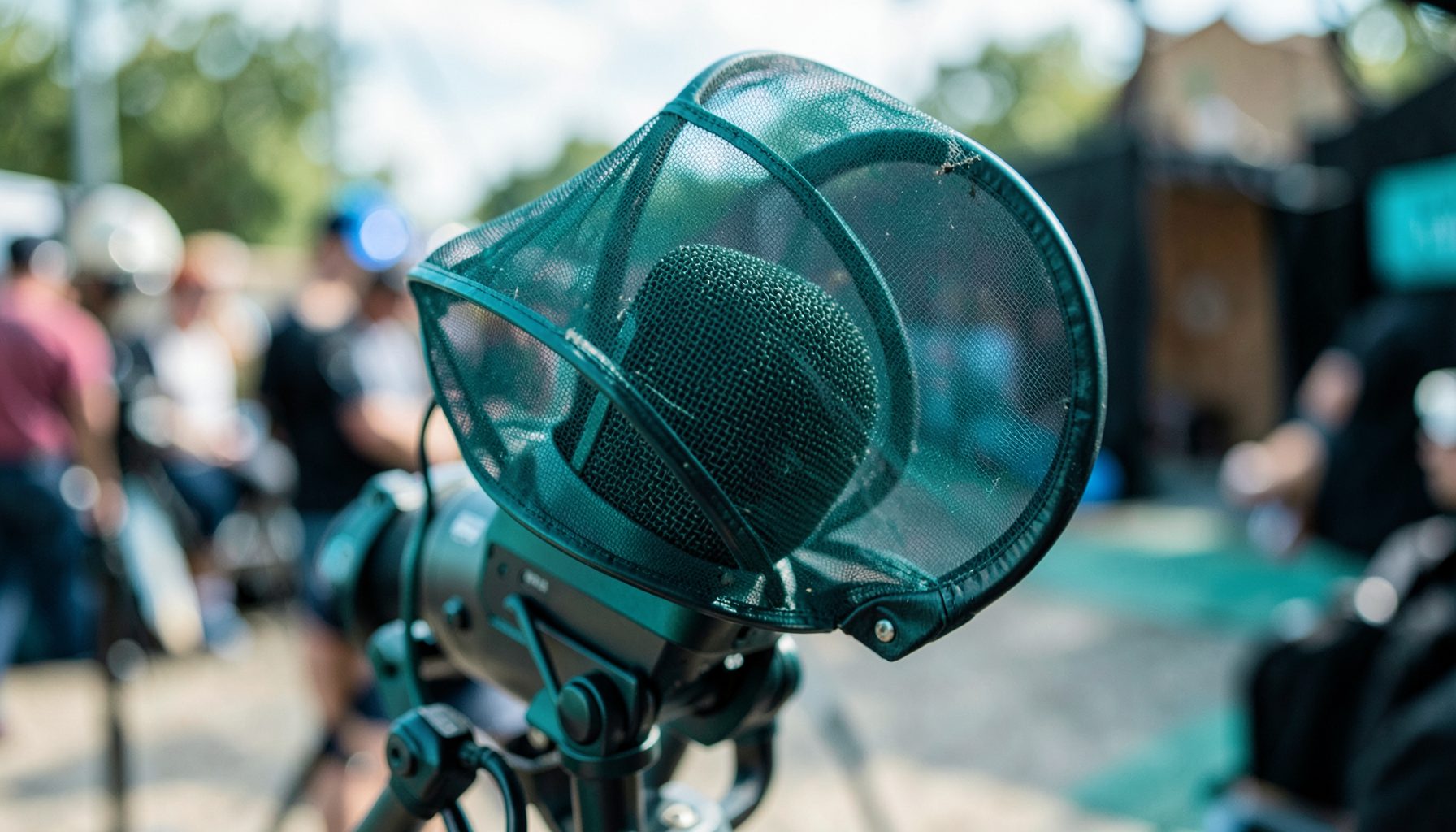
From the Audio-Technica ATR-6550 to the Sennheiser MKH416, our boom mic reviews cover shotgun condensers that deliver pro-level directional sound on set and in the field.
View Boom Mic GuidesFind Your Perfect Condenser Mic
Our top-10 condenser microphone roundup compares models from AKG, Audio-Technica, Rode, Shure, and Sennheiser — ideal for vocalists, voice-over artists, and home-studio producers.
Read the Full ReviewLatest Reviews
Fresh Picks for Your Setup
Our most recent articles cover the best mic boom arms for streaming, the Shure SM7B setup experience, and the top USB microphones under $100 and $200.
Browse All Reviews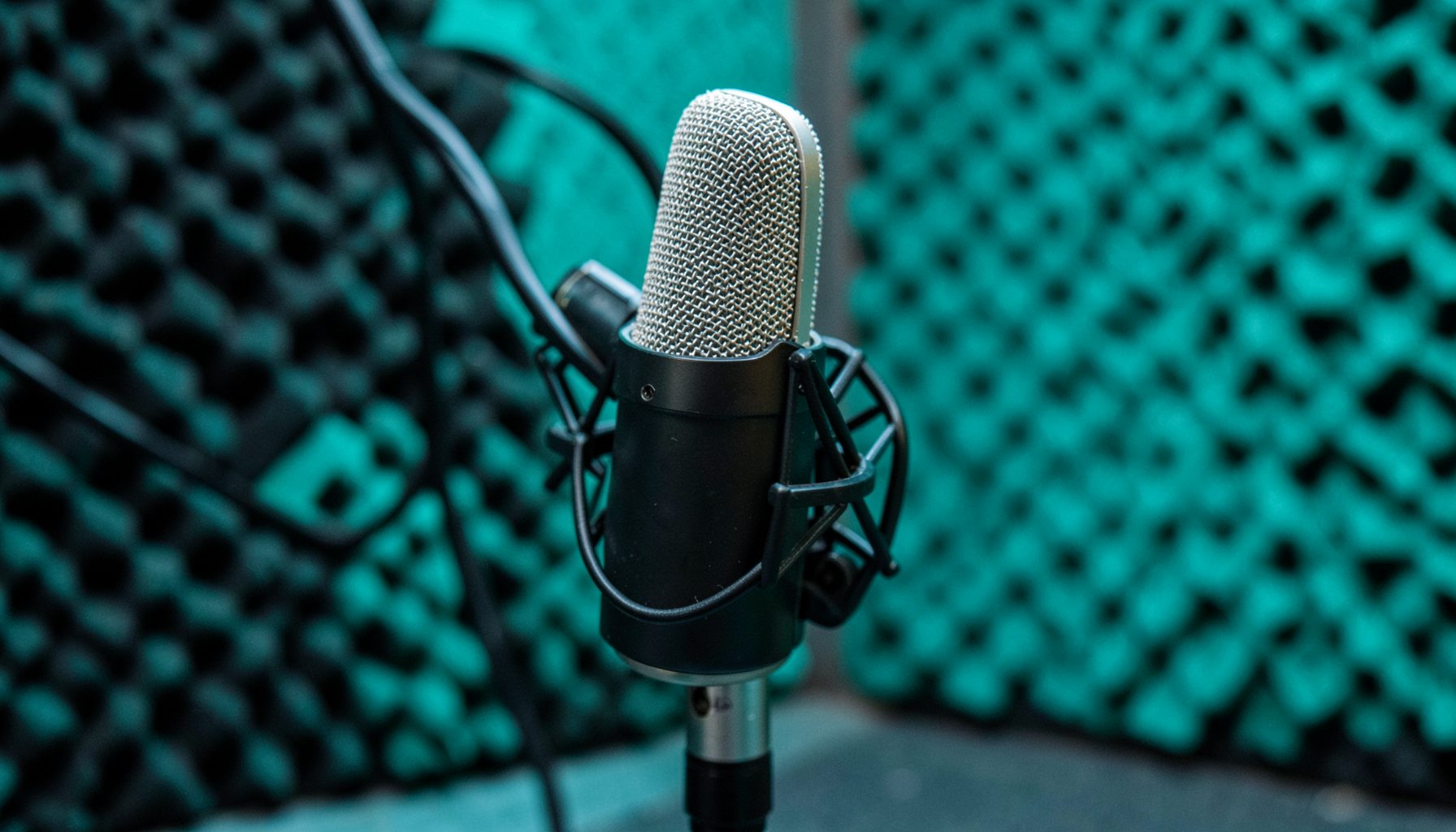
From the Blog
What Our Readers Are Reading
"We all know how important it is to get the right equipment. But, with over a billion boom microphone stands on the market, isn't that overwhelming? Our guide breaks down the best mic boom arms for streaming so you can focus on creating."